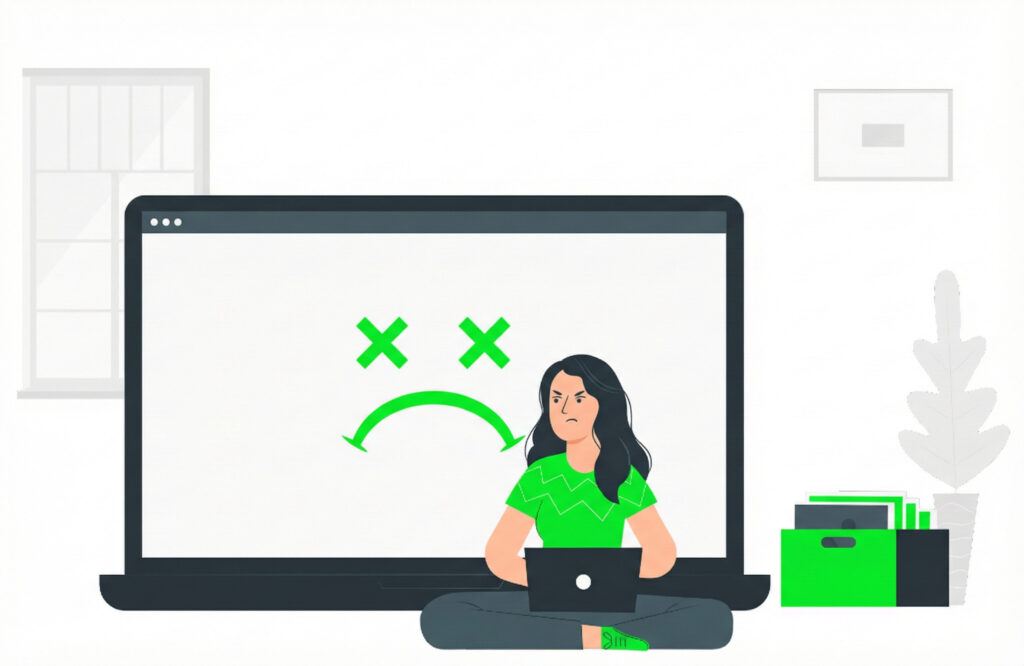
Real security isn’t about buying a magic plugin. It’s about implementing architectural WordPress security best practices that stop attacks before they happen.
If you run a website in 2026, you are under attack.
That isn’t paranoia; it’s just math. WordPress powers over 40% of the web. Because it is the most popular operating system for websites, it is the most efficient target for automated botnets. These scripts aren’t targeting you personally—they are just rattling every doorknob they can find, looking for an unlocked one.
At Carl’s Consulting Agency, we don’t believe in “set it and forget it” security. We believe in defense in depth. Here is why WordPress security matters and the specific engineering standards we use to keep our clients safe.
The Real Cost of a Hack
Most people think a “hacked site” means a defaced homepage with a scary skull and crossbones. In reality, modern hacks are much quieter and more expensive.
Resource Theft: Attackers want your server’s CPU to mine cryptocurrency or send spam emails. You pay the hosting bill; they keep the profit.
SEO Poisoning: Hackers inject invisible links to gambling or pharmaceutical sites into your pages, destroying the Google ranking you spent years building.
The “Noisy Neighbor” Effect: If you are on cheap shared hosting, a hacked site next door can bring your site down.
Our Top 5 WordPress Security Best Practices
We don’t rely on a $50 plugin to save the day. We build security into the infrastructure itself. Here are the five steps we recommend for every WordPress deployment.
1. Stop Using Shared Hosting
This is the single biggest security upgrade you can make. On a standard shared hosting plan, your files sit on the same physical hard drive as thousands of other strangers. If their security is weak, your performance suffers. Our Standard: We use private, isolated cloud environments. Your data lives in its own container, walled off from the rest of the internet.
2. Move the Front Door (Security by Obscurity)
Every bot on earth knows that the login page for a WordPress site is at /wp-login.php. They will hammer that URL thousands of times an hour, trying to guess your password. Even if they don’t get in, that traffic chokes your server and slows down your site for real customers. The Fix: We change the login URL to something unique (like /staff-portal or /access). If the bot can’t find the door, they can’t pick the lock. It’s a simple change that instantly drops malicious traffic by 99%.
3. Ban the Bad Actors (Fail2Ban)
We implement server-level protection using tools like Fail2Ban. This software watches our server logs in real-time. If an IP address fails to log in three times in a row, or tries to access a suspicious file, the server’s firewall instantly bans them. They don’t just get a “Password Incorrect” message; they get completely blocked from communicating with our machines.
4. Updates are Non-Negotiable
Software vulnerabilities are discovered every day. Hackers rely on site owners being lazy. If a security patch is released on Tuesday and you don’t install it until Friday, you gave attackers a 72-hour head start. Our Standard: We manage updates centrally. Critical security patches are applied immediately, often before the news even hits the mainstream blogs.
5. The "Oh S***" Button (Off-Site Backups)
No system is 100% invulnerable. If a zero-day exploit hits, the only thing that matters is how fast you can recover. Most cheap hosts strictly store your backups on the same drive as your website to save money. If that drive fails, you lose the site and the backup.
The Fix: We use a Dual-Layer Backup Strategy.
Layer 1 (Local): We keep retention archives on the server for instant, rapid restores.
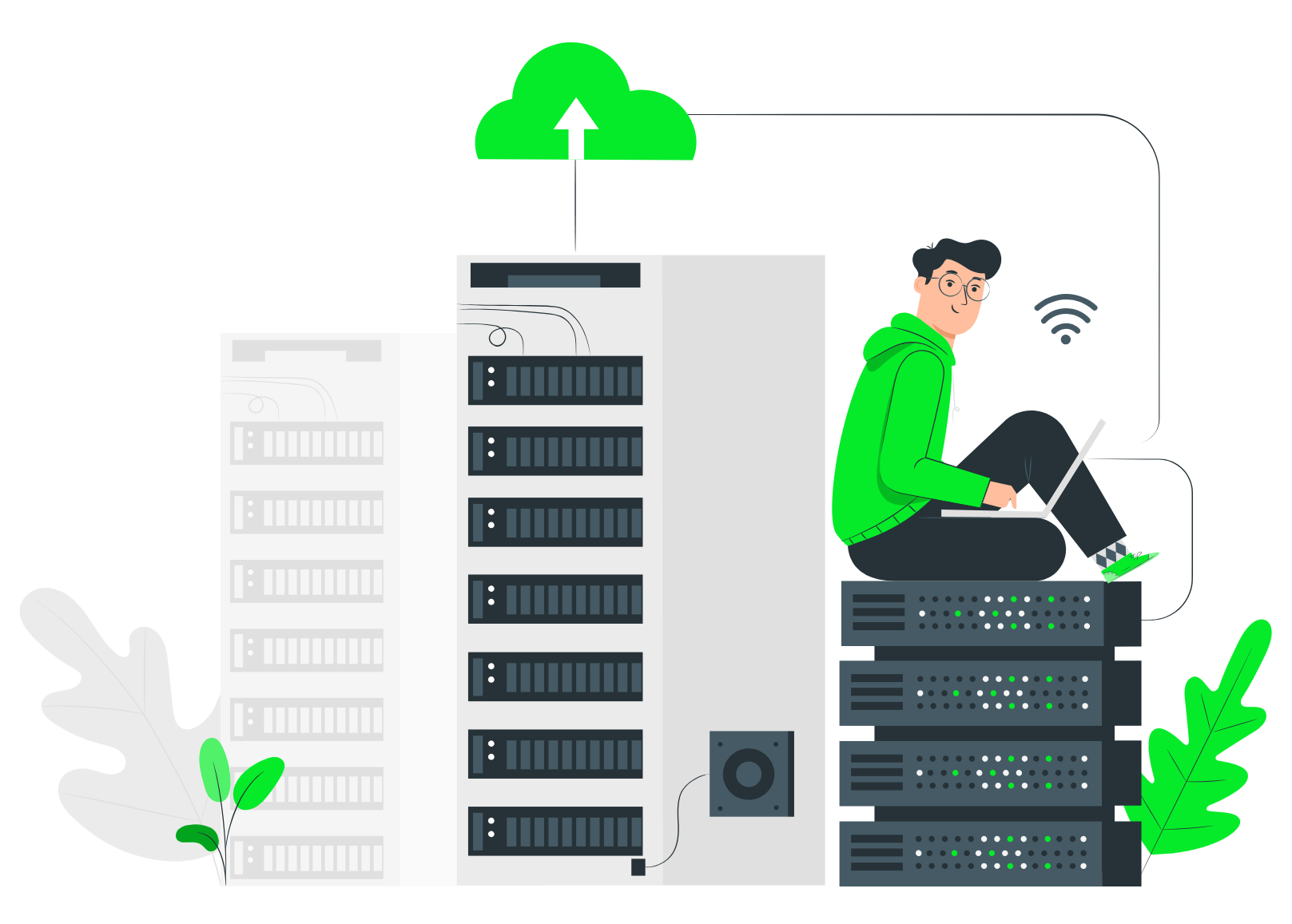
Layer 2 (Remote): We replicate those archives to a separate, dedicated storage server. Even if the web server suffers a catastrophic hardware failure, your data is safe on the storage node, ready to be deployed to a new machine.
The Bottom Line
Security is a process, not a product. You can’t just install a plugin and walk away.
We build our infrastructure to be resilient because we know that downtime costs money and trust.
Stop losing sleep over plugin updates and brute-force attacks. We handle the infrastructure, security, and daily maintenance so you don’t have to. Migrate to Carl’s Consulting Agency and get back to business