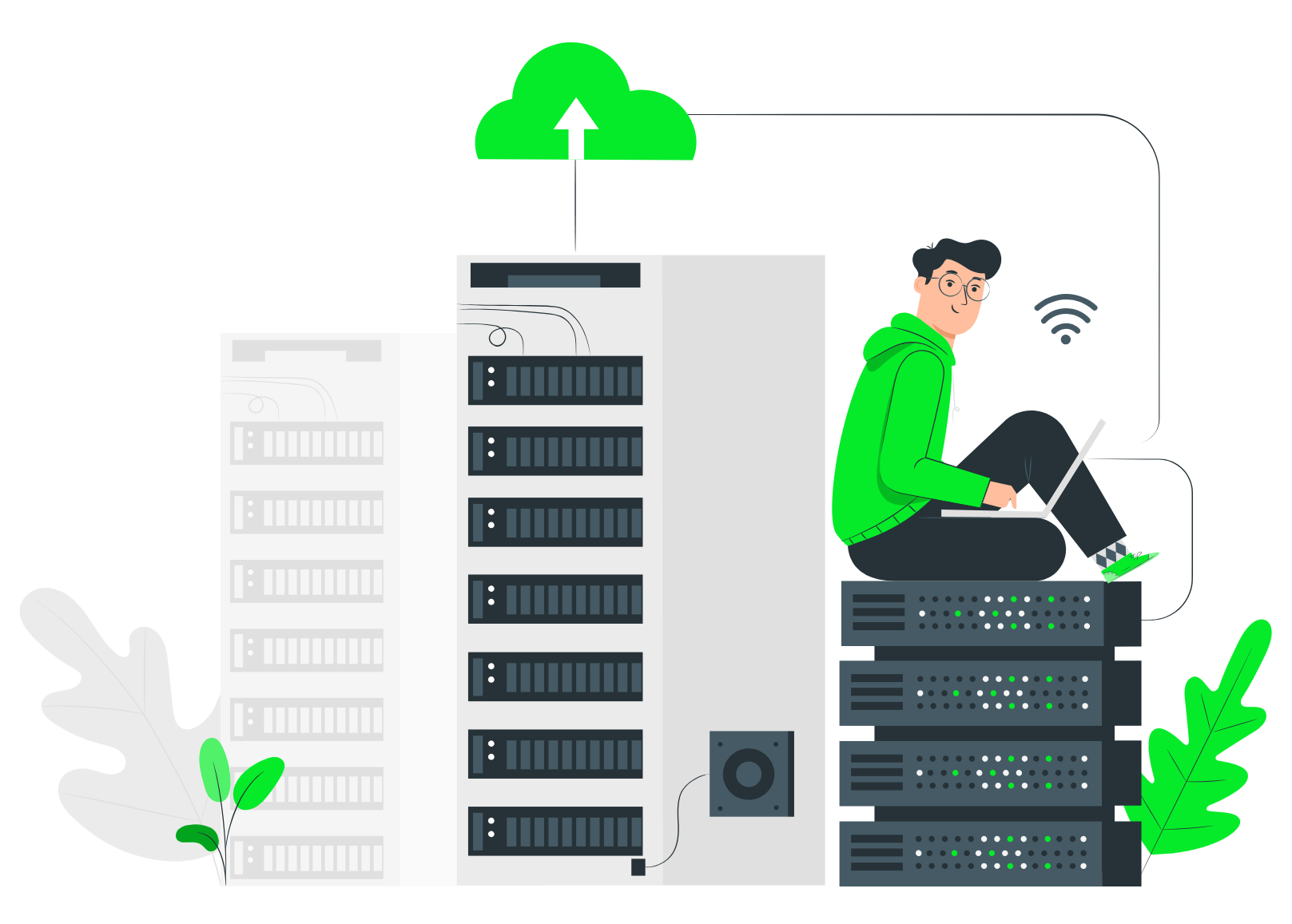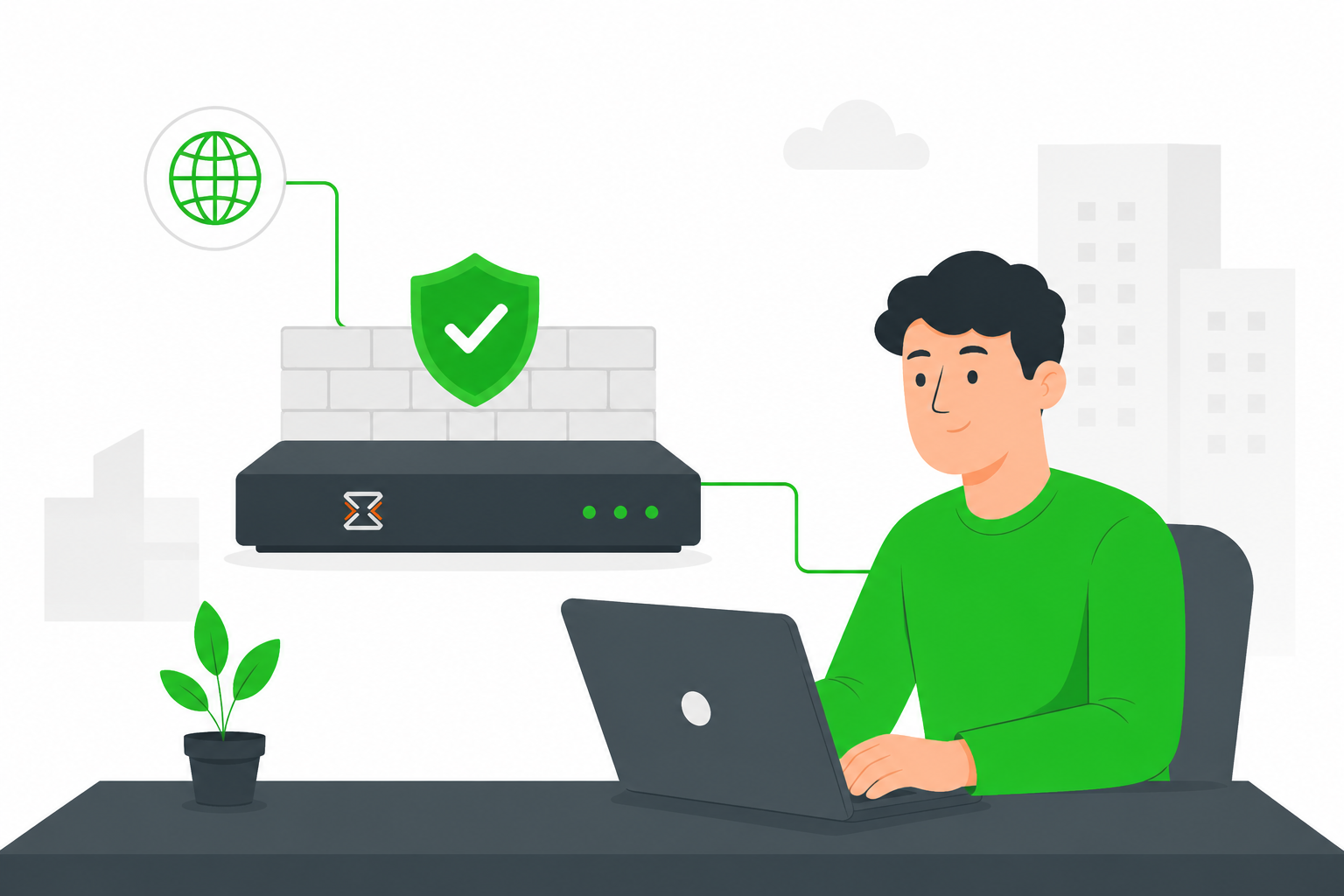


Most small businesses only realize their website is offline because a frustrated customer finally decides to call them. By then, the damage is already done. That isn’t monitoring; that is a post-mortem.
It is 2:00 PM on a Tuesday. You are in a meeting. Your website, however, is currently displaying a blank white screen to every single person trying to give you money.
It looks like this:
GET /checkout | Status: 502 Bad Gateway | Connection timed out
POST /contact-us | Status: 500 Internal Server Error | DB connection failed
Your hosting provider is not going to call you to tell you the site is down. Most visitors won’t email you to let you know your contact form is broken. They will simply click the back button and go to your competitor.
At Carl’s Consulting Agency, we believe that waiting for a user to report an outage is a massive operational failure. Here is the anatomy of website monitoring, and why we engineer our managed hosting to have a constant, beating pulse.
The "Set It and Forget It" Mistake
A website is not a billboard you paint once and leave on the side of the highway. It is a living piece of software running on a physical machine.
Servers run out of memory. Databases crash. Security certificates expire. Third-party plugins silently break during automated updates. If you treat your web presence as a “set it and forget it” asset, you are completely blind to the operational reality of your infrastructure.
Without active telemetry, you have no idea if your site has been down for five minutes or five days. You don’t know if a sudden spike in traffic took your server offline, or if your database simply hung up and needs a restart. You are flying completely blind.
The Fix: Active Monitoring via a "Pulse"
We don’t rely on hope or “it seems to be working fine” to manage client infrastructure. We use a strategy called Active Monitoring—a continuous, automated pulse check that alerts us the second something degrades, long before a customer ever sees an error screen.
Here is how we keep a finger on the pulse:
1. The 60-Second Ping (Uptime Monitoring)
This is step one for every web asset we host. Every 60 seconds, from multiple locations around the globe, an automated system attempts to load your website. It doesn’t just check if the server is powered on; it verifies that the website is actually returning a successful 200 OK status.
- The Result: If the server throws an error or takes longer than 5 seconds to respond, our internal operations dashboard lights up immediately. We are investigating the issue before you even know it happened.
2. The Resource Threshold (CPU & Disk Telemetry)
Websites rarely crash without warning. They usually suffocate first. A rogue script or a sudden bot attack will cause the server’s CPU to spike or the disk space to fill up completely. We deploy monitoring agents that constantly measure resource usage.
The Result: If your server hits 90% CPU utilization or 85% disk capacity, we get an early-warning alert. We can throttle bad traffic, clear out old logs, or allocate more resources proactively—preventing the crash entirely.
3. The SSL Expiration Watchdog
Nothing kills trust faster than a massive red “Warning: Potential Security Risk Ahead” screen when a user tries to visit your site. This happens when an SSL certificate is allowed to expire.
The Result: Our pulse checks actively monitor the exact expiration date of your cryptographic certificates. We automate the renewals, but the watchdog ensures that if an automated renewal ever fails, we are alerted weeks in advance, not the day after it breaks.
The Bottom Line
Your website is a business asset, not a digital brochure. If you are relying on your customers to act as your IT alerting system, you are bleeding revenue and reputation every time the server hiccups.
Stop flying blind.
Uptime isn’t an accident; it’s a discipline. Move your infrastructure to Carl’s Consulting Agency, where we handle the heavy lifting of managed hosting, website uptime monitoring, and keeping the pulse of your business beating strong.